


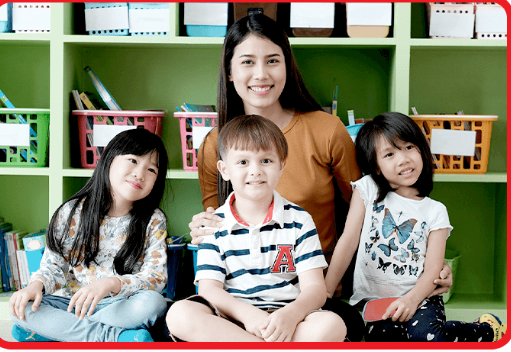
Joining a playgroup is good for little kids to make friends, learn and try new things. At preschool, kids can learn a lot and have fun too. In this article, we will tell you why playgroups are great for learning and making friends. We will talk about why it’s good to have fun things to do, what teachers do, and how parents can help. After you read this, you will know how playgroups can help little kids grow.
What Is a Preschool Enrichment Centre?
Preschools are places where young children between 2 to 6 years old can learn and have fun. They have programs that help children grow and develop in a caring and exciting environment. These places are called preschool enrichment centres.
Preschool places that help kids grow are not like regular daycares. They don’t just take care of kids, they also teach them. They have plans that help kids learn and grow in many ways, like how they think, act, feel, and move.
Preschools have fun programs that teach kids lots of things like reading, math, science, art, music, and exercise. Teachers help kids learn through play and exploring, so they can have fun while they learn.
Enrolling your child in a preschool enrichment centre can help them develop skills they’ll need to succeed in the future. At these centres, kids learn to communicate well, think critically, and work with others. They also gain self-awareness and confidence, which is important for their emotional health.
In short, preschool enrichment centres are really important for setting kids up for success in school and beyond. They create a supportive environment that helps kids grow and learn, and are a great choice for parents who want their kids to do well in life.
The Benefits of Playgroups
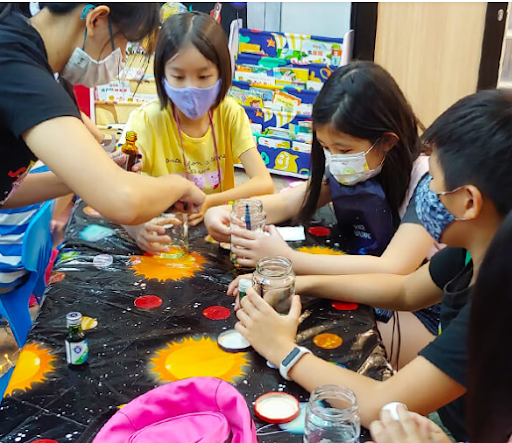
Playgroups are important for young children as they provide numerous benefits that contribute to their overall development. Here are some of the key benefits of playgroups:
Socialization: Playgroups provide children with the opportunity to interact with their peers in a safe and structured environment. This helps to develop social skills, such as sharing, taking turns, and cooperating with others. Children also learn how to make friends and develop positive relationships with their peers.
Development of Communication Skills: During playgroups, children are encouraged to communicate with each other and their teachers. This helps to develop their language and communication skills. They learn how to express their thoughts and feelings in a clear and concise manner, which is essential for their overall development.
Emotional Development: Playgroups provide children with a supportive environment where they can express their emotions freely. This helps them to develop a sense of self-awareness and emotional intelligence. They learn how to regulate their emotions, which is an essential skill for their overall well-being.
Cognitive Development: Playgroups provide children with numerous opportunities to learn and develop new skills. Through various activities, children are encouraged to think creatively and critically. They also learn how to solve problems and make decisions independently, which is essential for their cognitive development.
Overall, playgroups provide children with a fun and engaging environment where they can learn, socialize, and develop essential skills that will benefit them throughout their lives.
The Importance of Structured Activities
Structured activities are important for preschool learning centres. They help children grow in different areas, like feelings, thinking, and understanding. Structured activities have a goal or aim and help children learn and grow.
One good thing about structured activities is they help kids learn important skills. These skills include solving problems, thinking carefully, and being creative. With structured activities, kids can explore new ideas and concepts in a helpful and organized way. This helps them feel good about themselves and their abilities.
Structured activities are great for kids! They help children learn important social skills like sharing, taking turns, and working together. By doing structured activities, kids learn how to work with other kids, which helps them do well in school and in life.
At preschool, kids do lots of different structured activities. They might do art projects, science experiments, or music and movement activities. These activities are designed to help kids learn and grow in many different ways.
Structured activities are really important at preschool. They help kids get ready for school and for life. When kids do structured activities, they learn important skills to help them succeed.
The Role of Teachers in Playgroups
Teachers in playgroups play a big role. They make sure kids are safe, and they help them learn and make friends. A good teacher knows how to guide kids in learning. They have special qualities that make them great at their job.
Patience and Empathy
A teacher needs to have patience when teaching young children in a playgroup. Kids need attention and guidance but might not always listen or do what they’re told. A patient teacher knows that children learn differently and at their own speed. They’ll explain things more than once, remind you gently, and praise the child when they do well.
Teachers in playgroups must be empathetic. This means they should know that young kids are still learning to manage their emotions and may struggle to express themselves. Empathetic teachers can create a safe space for children to share their feelings and help them learn to control their emotions. By being empathetic, teachers can form good connections with their students and make them feel supported and heard.
A teacher in a playgroup should be patient and kind, and they should also create a happy place for learning. They can do this by giving compliments and rewards when kids do well, and by setting rules and punishments that are easy to understand.
Teachers in playgroups are very important. They help children learn and grow in their social and emotional development. Good teachers are patient and kind, and they create a happy place for learning. By doing this, children can feel more confident, learn social skills, and improve in many ways.
Knowledge of Child Development
Teachers in playgroups need to know about child development, in addition to being patient and empathetic. It’s important to understand how children grow and learn at different ages. This helps teachers create activities that are good for learning and making friends. For example, young children need to move around a lot and have shorter attention spans. Older children can focus for longer and like to do more challenging things. Teachers also need to know about how kids learn to be nice to others and get along with them. They should know when kids start to understand how others feel and how to help them make friends.
When teachers know a lot about how kids grow and learn, they can make activities that fit each kid in their playgroup. This way, every kid can get just the right amount of fun and learning they need to grow and get better.
Teachers who know about how kids grow can help parents by sharing info about what to expect as their child develops. This will give parents insights on how to support their kid’s growth outside of the playgroup.
To be a good teacher in a playgroup, you need to know how kids grow up. This helps you make a happy and helpful class. You can teach kids useful things and help them make friends. You need to be kind and take your time with them.
Excellent Communication Skills
Effective communication skills are crucial for teachers in playgroups. They need to be able to communicate with young children in a way that is clear, concise, and easily understood. Teachers should use simple language, speak slowly and clearly, and use visual aids to help children understand the activities and instructions.
Teachers need to be good at talking with parents and caregivers. They should be nice and easy to talk to when parents and caregivers come to the playgroup. Teachers should listen carefully, give feedback, and answer questions from parents or caregivers. This will help parents and caregivers understand how their child is doing.
In addition, teachers need to work well with others in the playgroup. This means they should communicate well with other teachers and support staff. It’s important for them to share ideas, work together and make a great learning environment for kids.
Clear and effective communication skills can also help teachers manage and resolve conflicts that may arise in playgroup sessions. They should be able to identify and address any issues or concerns that children, parents, or caregivers may have promptly.
Overall, teachers in playgroups are very important. They help children, parents, and caregivers talk to each other. Good communication is important so that everyone feels listened to, understood, and important.
Observational Skills
Teachers in playgroups have an important job: watching and paying attention to kids while they play. This helps them see what each child is good at, what they need help with, and how they like to play with others. When teachers observe kids playing, they can make activities that match their interests and help them learn and grow.
Teachers can use observation to help children who might be struggling. They can watch how children behave and notice if they seem worried or angry a lot. This can help the teacher give them the right help. Observing also helps teachers see how well children are learning. They can change activities to help them do better and give them the right guidance. Observational skills are important for teachers to help kids grow and learn in different ways.
Flexibility and Creativity
Teachers in playgroups need to have patience, empathy, and knowledge of child development. They should also be great at communicating and observing, as well as being flexible and creative.
Flexibility is essential in ensuring that teachers can adapt to the changing needs and moods of the children in the playgroup. They must be able to adjust their lesson plans and activities to cater to the different personalities, learning styles, and abilities of the children. Additionally, they must be able to handle unexpected situations, such as tantrums or accidents, with ease and composure.
On the other hand, creativity is crucial in keeping the children engaged and interested in the activities. Teachers should be able to think outside the box and come up with new and exciting ways to teach and play with the children. They must also be able to improvise when necessary, using whatever resources they have available to create fun and educational activities.
A teacher who can try new things and come up with creative ideas can help kids learn better. When teachers are open to new approaches, they can encourage children to try different things and learn important skills like solving problems and thinking creatively.
In short, teachers are super important in playgroups because they help kids learn and be social. Teachers need to be patient, kind, know about how kids grow up, be really good at talking and watching what’s going on, and be creative. With all these skills, teachers can make a fun and interesting place for kids to learn and grow up to be happy and confident people.
The Benefits of Parental Involvement
Parental involvement in a child’s early education is crucial in helping them develop and achieve academic success. Here are some of the benefits of parental involvement in playgroups:
- Enhanced Learning Experience. Parents can contribute to their child’s learning experience by sharing their knowledge, skills, and experiences. By participating in the activities, parents can help their children to learn new things, develop their cognitive skills, and enhance their creativity.
- Stronger Relationship between Parents and Child. Through parental involvement, parents can build stronger bonds with their children, which can lead to improved communication and a better understanding of their child’s needs. This, in turn, can lead to increased trust and a sense of security.
- Positive Reinforcement. When parents are involved in their child’s playgroup activities, they can provide positive reinforcement for their child’s achievements. This can boost their child’s self-esteem, confidence, and motivation to learn.
- Better Behavioral Outcomes. Parental involvement can help to promote better behavioral outcomes in children. By being present and active in the playgroup, parents can model positive behavior, reinforce appropriate behavior, and help to correct any problematic behaviors.
- Sense of Community. Parents can join playgroups to connect with others and feel part of a community. Being part of a group helps with support, sharing experiences and feeling like you belong. Playgroups also give parents a chance to network, share information, and learn from others.
Overall, parents joining playgroups can help their children learn and socialize. They can make a big difference by participating in their child’s education. This will help their child grow and do well in school.
Conclusion
In conclusion, playgroups are incredibly important for a child’s socialization and learning. Through play and interaction with peers, children learn important skills such as communication, sharing, problem-solving, and emotional regulation. Playgroups also provide a structured environment where children can learn and practice academic and life skills, preparing them for future educational and social success.
Consider enrolling your child in Super Duper Kids. With experienced teachers and a curriculum designed to stimulate intellectual and social development, Super Duper Kids offers both preschool and primary school programs to help your child reach their full potential. So, don’t wait any longer – give your child the gift of socialization and learning by enrolling them in Super Duper Kids today!
