


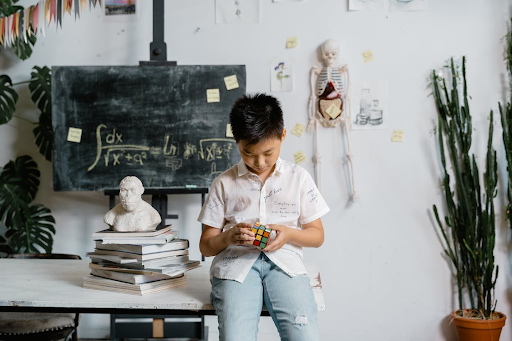
Maths anxiety is a psychological state marked by a profound fear or unease when it comes to mathematics and tasks related to maths. It can manifest as feelings of dread, tension, or panic when confronted with mathematical problems, tests, or even simple calculations.
Maths anxiety is not unique to any one region, but in the context of Singapore, it is a concern that many students and parents grapple with. The high-stakes and highly competitive education system in Singapore can exacerbate maths anxiety. Students may experience immense pressure to excel in maths from a young age, which can contribute to the prevalence of maths anxiety.
Understanding Maths Anxiety
Maths anxiety is a psychological phenomenon characterised by feelings of fear, tension, and apprehension when it comes to mathematics. It can affect children of all ages and is often associated with negative emotions and avoidance of maths-related activities. Understanding maths anxiety in kids is crucial as it can have a significant impact on their academic performance and overall well-being.
Explaining the Concept of Maths Anxiety
Maths anxiety is essentially a form of performance anxiety specific to mathematics. It is not a reflection of a child’s mathematical abilities but rather a fear of maths-related situations. Some key aspects of maths anxiety include:
- Emotional Distress: Maths anxiety involves heightened emotional responses, including fear, nervousness, or even panic when confronted with mathematical tasks or assessments.
- Cognitive Impairment: Maths anxiety can lead to cognitive impairment, causing children to underperform in maths-related tasks, even if they have the skills to succeed.
- Avoidance Behaviour: Children with maths anxiety may avoid maths classes, homework, and maths-related challenges, leading to a negative impact on their mathematical development.
- Physical Symptoms: Some children may experience physical symptoms such as sweating, increased heart rate, or stomach aches when exposed to maths-related situations.
Common Signs and Symptoms in Students
Identifying maths anxiety in children can be challenging, as it may manifest differently from one child to another. Common signs and symptoms include:
- Reluctance or Avoidance: Children with maths anxiety often avoid maths-related tasks, express a strong dislike for maths, or ask to be excused from maths class.
- Low Self-Esteem: They may exhibit low self-confidence in their maths abilities, doubting their problem-solving skills and feeling incapable of success.
- Performance Decline: Maths anxiety can lead to a noticeable decline in academic performance, with lower grades in maths compared to other subjects.
- Negative Self-Talk: Kids with maths anxiety may engage in negative self-talk, saying things like, “I’m just not good at maths,” which can reinforce their anxiety.
- Procrastination: They might procrastinate on maths homework or become easily distracted during maths-related tasks.
The Influence of Maths Anxiety on Academic Achievement
Maths anxiety can have profound consequences on a child’s academic performance:
- Lower Math Achievement: Children with maths anxiety tend to underperform in maths-related assessments, despite their actual mathematical abilities. This can lead to lower grades and hinder their long-term educational progress.
- Reduced Participation: Maths anxiety can discourage children from participating in class, asking questions, or seeking help from teachers. This lack of engagement further impedes their learning.
- Negative Attitude Towards Learning: Maths anxiety can lead to a negative attitude towards education and a decreased interest in pursuing careers that involve mathematics or related fields.
- Long-Term Effects: If left unaddressed, maths anxiety can persist into adulthood, limiting career opportunities and causing ongoing stress in situations that involve maths.

Super Duper Kids places a strong emphasis on providing effective and engaging maths education to children. We believe that proper maths teaching is essential to overcome maths anxiety.
Factors Contributing to Math Anxiety in Singapore
Maths anxiety is a common issue among students in Singapore, and several factors contribute to its prevalence in this highly competitive and academically rigorous environment. Understanding these factors is crucial for addressing and mitigating maths anxiety effectively.
Academic Pressure in the Singaporean Education System
Singapore’s education system is renowned for its rigorous curriculum and high academic standards. Students in Singapore are exposed to a challenging maths curriculum from a young age, and this can lead to maths anxiety due to:
- Fast-Paced Learning: The pace of instruction in Singapore’s maths classrooms can be demanding, leaving some students feeling overwhelmed and struggling to keep up.
- Heavy Workloads: Excessive homework and a focus on rote learning can lead to stress and exhaustion, contributing to maths anxiety.
- High-Stakes Examinations: Frequent high-stakes examinations, such as the Primary School Leaving Examination (PSLE) and the GCE ‘O’ and ‘A’ Levels, create intense pressure to perform well in maths.
High Expectations from Parents and Society
Singaporean parents and society, in general, place a strong emphasis on education and achievement, which can inadvertently contribute to maths anxiety in students:
- Parental Expectations: Parents in Singapore often have high expectations for their children’s academic performance, especially in maths. This pressure to meet parental expectations can cause anxiety.
- Peer and Social Pressure: The broader social culture also emphasises academic success, and students can feel immense pressure to excel in maths to meet these societal standards.
- Comparative Stress: The constant comparison to peers who are also high achievers can intensify maths anxiety as students strive to measure up.
Cultural Attitudes Toward Math and Success
Cultural factors in Singapore can influence attitudes toward maths and success and impact the development of maths anxiety:
- Perfectionism: The culture in Singapore places a strong emphasis on perfection and precision. This perfectionistic attitude can lead to a fear of making mistakes in maths, contributing to anxiety.
- Fear of Failure: The worry about failing and the feeling that people will judge them if they make maths mistakes can stop students from trying new things and learning about maths.
- Pressure to Excel in STEM Fields: Singapore’s strong focus on maths to achieve economic success can make students feel even more pressure to do well in maths, causing them to be more anxious.
Tips for Choosing the Right Maths Tuition
When seeking maths tuition for your child in Singapore, it’s essential to make an informed decision to ensure they receive the best possible support. Here are some tips to help you choose the right maths tuition centre:
Tip #1: Online Research
Start by researching tuition centres in Singapore. Use search engines, social media, and educational forums to find options available in your area.
Tip #2 Reviews and Recommendations
Seek recommendations from friends, family, or other parents. Online reviews and testimonials can give insights into the quality of the tuition centre.
Tip #3: Location and Accessibility
Check the location. Choose one that is convenient and accessible for both you and your child.
Tip #4: Considering the Qualifications of Math Tutors
When seeking a math tutor for your child, you must ensure they receive the best possible education and support. Here are the key factors to consider when evaluating math tutors for your child’s educational journey:
- Educational Background: Check the qualifications of the maths tutors. Ideally, they should have a strong educational background in mathematics or related fields.
- Teaching Experience: Experience in teaching maths is valuable. Tutors who understand the curriculum and can adapt to different learning styles are beneficial.
- Track Record: Inquire about the success rate of the tuition centre. A good track record indicates effective teaching.
Tip #5: Evaluating Teaching Methods and Resources
When choosing the most suitable tuition center for your child, it is essential to thoroughly assess teaching techniques and available resources to ensure their educational requirements are adequately addressed. Here are important aspects to take into account:
- Curriculum Alignment: Ensure that the tuition centre’s curriculum aligns with the syllabus followed in your child’s school. Consistency is essential to avoid confusion.
- Assessment and Feedback: Ask about the centre’s methods for assessing students’ progress and providing feedback. Regular assessments and feedback sessions help tailor the teaching to individual needs.
- Learning Resources: Find out what learning materials and resources the centre provides. Access to quality textbooks, practice questions, and digital resources can enhance the learning experience.
- Small Class Sizes: This allows more personalised attention, making it easier for tutors to address individual concerns.

At Super Duper Kids, we are committed to tailoring our maths education to meet the unique needs of every child. We understand that each student has their own pace and learning style. To cater to these individual requirements, we offer personalised learning programs.
Additional Support for Students with Maths Anxiety
Students experiencing maths anxiety can benefit from a combination of professional support and assistance from their parents. Here are some additional avenues of support for addressing maths anxiety:
- School Counsellors: Many schools in Singapore have dedicated counsellors who can help students cope with maths anxiety. They provide a safe and confidential space for students to discuss their fears and anxieties related to maths.
- Private Counselling: If necessary, parents can consider seeking private counselling or therapy for their child. Mental health professionals can employ various therapeutic techniques to address maths anxiety and its underlying causes.
- Support Groups: Students may find comfort in joining support groups where they can connect with peers who share similar struggles. Sharing experiences and coping strategies can be very beneficial.
- Mindfulness and Relaxation Techniques: Students can reduce stress and anxiety by learning to relax their minds. Simple breathing exercises and calming meditation can be quite useful for this.
Strategies for Parents to Support Their Children
Supporting your child in their mathematical journey is a multifaceted task that requires a combination of strategies. Here’s how parents can provide effective support:
1. Open Communication
Encourage open and non-judgmental communication with your child. Let them express their feelings and anxieties about maths without fear of criticism.
2. Positive Reinforcement
Offer praise and positive reinforcement when your child makes an effort, even if they don’t immediately succeed. Recognise their hard work and determination.
3. Avoid Negative Language
Avoid using negative language about maths or expressing your own maths anxieties. Children can pick up on their parents’ attitudes.
4. Seek Professional Help
If your child’s maths anxiety is severe and persistent, consider seeking help from a qualified tutor, educational therapist, or counsellor who specialises in maths anxiety.
5. Set Realistic Goals
Help your child set achievable goals in maths. Take big tasks and divide them into smaller, easier steps. When students finish each step, take a moment to celebrate their progress.
6. Create a Supportive Environment
Foster a home environment that encourages learning. Provide a quiet, well-lit space for homework and study. Be ready to help or answer questions when kids ask.
7. Promote a Growth Mindset
Encourage the belief that abilities can be developed through hard work and learning. Teach your child that mistakes are a natural part of the learning process.
8. Balance and Well-Being
Make sure your child has time for both schoolwork and fun activities. Physical activity, hobbies, and relaxation are essential for overall well-being.
9. Consider Professional Tutoring
If necessary, consider enrolling your child in professional maths tuition, like Super Duper Kids, that specialises in addressing maths anxiety and improving maths skills.
Choosing Super Duper Kids as the Trusted Maths Tuition in Singapore
Why Super Duper Kids? Super Duper Kids is a trusted maths tuition centre in Singapore known for its commitment to quality education. They have a team of professional and experienced maths tutors.
- Qualified Tutors: Super Duper Kids is proud to have tutors who are highly educated in maths and have a history of helping students succeed in the subject.
- Effective Teaching Methods: The centre uses effective teaching methods that cater to different needs of students. They offer a curriculum that aligns with school syllabi and provide regular assessments and feedback.
- Supportive Learning Environment: Super Duper Kids aims to create a supportive and engaging learning environment to boost your child’s confidence and skills in maths.
- Location: Super Duper Kids has multiple branches across Singapore, ensuring accessibility for students from various areas.
Remember to visit Super Duper Kids and discuss your child’s specific needs and goals with them. Choosing the right maths tuition centre is a significant decision, and it’s crucial to select the one that aligns with your child’s learning style and objectives.
Final Thoughts
Addressing maths anxiety in Singapore is of paramount importance as it directly impacts a student’s academic success and overall well-being. By recognising the signs and causes of maths anxiety and taking steps to alleviate it, we can empower students to develop a healthier and more confident relationship with mathematics.
Maths tuition plays a vital role in this process, providing students with the extra support and guidance they need to overcome their maths anxiety and excel in the subject. Parents and students alike are encouraged to explore maths tuition as a solution to address maths anxiety effectively.
Super Duper Kids stands out as a trusted Maths Tuition in Singapore, committed to delivering quality education and tailored support to students struggling with maths anxiety. Our team of highly qualified and experienced maths tutors, effective teaching methods, and supportive learning environment make us a valuable resource for parents seeking to help their children thrive in mathematics. Contact us now to learn more about our Math tuition programs.
