



The early years of life are a truly magical time. It’s a period of explosive growth and development, where little minds are like sponges, soaking up information and experiences at an incredible rate. This is why early childhood education is so crucial. It lays the foundation for future learning, shaping cognitive skills, social-emotional development, and even physical health.
In this post, we’ll delve deeper into the world of accompanied classes in Singapore. We’ll explore different types of classes, highlight the benefits for both children and parents, and provide tips for choosing the right program for your little one.
Benefits of Accompanied Classes
Accompanied classes in Singapore offer a treasure trove of benefits for both young children and their parents.
Nurturing Young Minds: Cognitive Development
Accompanied classes are designed to spark a love for learning from the very beginning. Through a carefully curated blend of play and structured activities, they help children develop crucial cognitive skills, including:
- Early Language Skills
Songs, rhymes, and stories in these classes expose children to a rich vocabulary and diverse sentence structures. Parents can reinforce these learnings at home through everyday interactions, fostering strong language development.
- Pre-Literacy and Numeracy
Simple counting games, sorting activities, and creative tasks lay the groundwork for understanding numbers and letters. Parents can participate in these activities, providing guidance and encouragement as their children explore these foundational concepts.
- Problem-Solving and Critical Thinking
Interactive games and challenges presented in class prompt children to think critically, solve problems creatively, and experiment with different approaches. Parents can facilitate this process by asking open-ended questions and observing their children’s thought processes.
- Attention and Focus
Engaging activities and structured routines in accompanied classes help children develop their attention spans and focus, skills that are crucial for future learning success. Parents can support this by providing a quiet and distraction-free environment at home for focused activities.
By nurturing these cognitive skills early on, accompanied classes play a vital role in preparing children for a smooth transition to formal education.
Building Bridges: Socialisation Skills
Accompanied classes are stepping stones into the world of social interaction. Here, children learn to navigate diverse environments, interact with their peers, and develop essential social skills, such as:
- Communication and Sharing
Through play and group activities, these empower children to learn to take turns, share toys, and communicate effectively with their peers. Parents can model these behaviours and encourage friendly interactions, fostering positive social experiences.
- Empathy and Collaboration
Class activities often involve working in small groups or helping one another, laying the foundation for empathy and collaboration. Parents can reinforce these values by discussing emotions and encouraging teamwork at home.
- Self-Confidence and Self-Expression
Accompanied classes provide a safe and supportive environment for children to try new things, express themselves freely, and build confidence. Parents can celebrate their children’s achievements and offer encouragement, fostering a sense of self-worth.
- Conflict Resolution and Negotiation
Inevitably, disagreements and conflicts arise during playtime. Well-facilitated classes offer opportunities for children to learn how to resolve conflict peacefully, negotiate solutions, and develop healthy communication skills. Parents can guide their children through these situations, teaching them valuable life lessons.
By providing a platform for social interaction and skill development, accompanied classes equip children with the tools they need to thrive in social settings throughout their lives.
Strengthening Bonds: Emotional Bonding between Parents and Children
One of the most significant benefits of accompanied classes is the opportunity for parents and children to bond and create lasting memories. These shared experiences strengthen the parent-child connection in a multitude of ways:
- Quality Time and Uninterrupted Focus
In today’s busy world, finding dedicated time for parent-child interaction can be challenging. Accompanied classes provide a space for parents and children to focus on each other, free from distractions.
- Joint Exploration and Discovery
The joy of learning and exploring together creates beautiful memories and fosters a sense of partnership between parent and child. Parents can guide their children’s discoveries, celebrate their milestones, and build a foundation of trust and understanding.
- Mutual Learning and Growth
Parents can also learn through the experiences of accompanied classes. Observing their children’s interactions and responses to activities can offer valuable insights into their unique personalities and developmental needs.
- Strengthening the Support System
Parents often form friendships with other parents in these classes, creating a supportive community where they can share experiences, challenges, and joys of raising young children.
The emotional connection nurtured in accompanied classes fosters a secure and loving environment for children to grow and flourish.
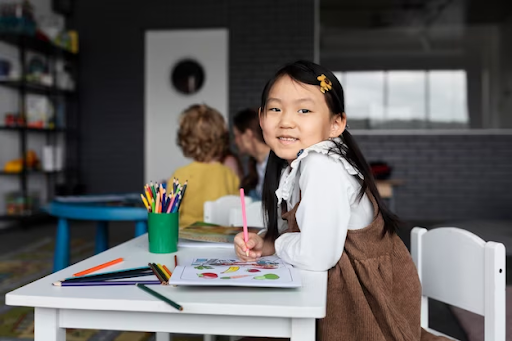
Key Features of Accompanied Classes in Singapore
As we explore the world of accompanied classes in Singapore, three key features stand out as essential for this specific age group (7-month to 2.5-year-olds):
Age-Appropriate Activities:
- Sensory Play
At this stage, sensory exploration is crucial for development. Look for classes that involve messy play, textured materials, music, and movement to engage all senses. Think finger painting, water play, and singing with puppets.
- Developmental Focus
Activities should cater to specific developmental needs, such as gross motor skills (crawling, climbing, walking), fine motor skills (grasping, manipulating objects), language development (rhymes, songs, stories), and early social interaction.
- Play-Based Learning
Learning happens through play in these years. Look for classes that incorporate open-ended exploration, imaginative play, and fun activities disguised as learning experiences. Think building blocks, pretend play, and interactive games.
- Structured Routines
While play is vital, some structure is necessary for this age group. Look for classes with predictable routines that include circle time, story time, snack time, and outdoor play to provide a sense of security and familiarity.
Qualified and Experienced Instructors:
- Early Childhood Education Background
Instructors should have relevant qualifications in early childhood education or child development. They should be skilled at engaging young children, fostering positive learning environments, and understanding their developmental needs.
- Warm and Nurturing Approach
Look for instructors who are passionate about working with young children and create a warm, caring, and playful atmosphere. They should be attentive to individual needs, encouraging, and patient with little ones.
- Effective Communication
Clear and concise communication is key. Instructors should be able to explain activities to parents, provide guidance during class, and communicate effectively with both children and adults.
- Cultural Sensitivity
Singapore’s diverse population is reflected in the early childhood education sector. Look for classes that embrace diversity and cultural sensitivity, catering to a range of backgrounds and languages.
Safe and Stimulating Environments:
- Clean and Hygiene-Focused
The learning environment should be clean, well-maintained, and child-proof. Safety is paramount, with age-appropriate toys and equipment that meet all safety standards.
- Sensory Stimulation
The environment should be visually stimulating, with bright colours, interesting textures, and engaging displays. Look for spaces that offer both indoor and outdoor play areas, allowing for exploration and movement.
- Interactive and Engaging
The space should be designed to encourage interaction and play. Think climbing structures, play tunnels, sensory bins, and designated areas for different activities.
- Comfortable for Adults
While the focus is on children, parents’ comfort is important too. Look for classes that offer seating areas, changing facilities, and access to refreshments to create a welcoming and inclusive atmosphere for everyone.
How to Choose the Right Accompanied Class Like Super Duper Kids
Finding the perfect accompanying class for your little one can feel like a daunting task, but with some careful consideration and the right guidance, you can unlock a world of educational fun and bonding experiences.
1. Your Child’s Age and Stage
Different age groups have unique needs and interests. Consider your child’s developmental stage when exploring class options. Match the activities and focus of the class to their current abilities and areas of interest.
2. Class Type and Curriculum
Explore the diverse range of classes available. Do you seek sensory play, music and movement, early language development, or pre-school readiness activities? Choose a class that aligns with your child’s needs and sparks their curiosity.
3. Class Size and Ratio
Smaller class sizes provide more personalised attention and create a more intimate learning environment. Consider the child-to-instructor ratio and opt for classes with fewer children per instructor for optimal engagement.
4. Instructor Qualifications and Approach
Research the instructor’s credentials and experience. Choose someone passionate about early childhood education with a warm, nurturing, and engaging teaching style. Observing a class in action can be invaluable in making this decision.
5. Location and Schedule
Convenience matters! Choose a class location and schedule that fits your family’s lifestyle and routine. Consider travel time, parking availability, and class duration to ensure a stress-free experience.
6. Cost and Value
Compare different programs and consider the value offered for the price. Look beyond just cost and prioritise quality, qualified instructors, and a safe and stimulating environment.
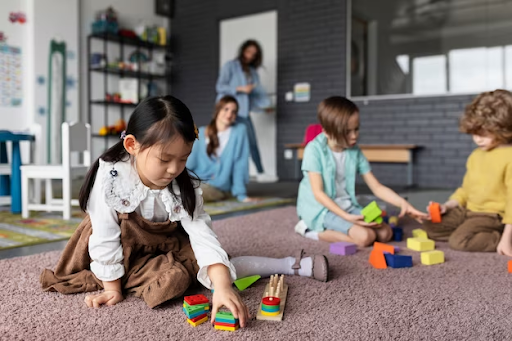
Tips for Parents on Making the Most of Accompanied Classes:
1. Active Participation
Get involved! Play alongside your child, engage in activities, and participate in discussions. This active participation not only strengthens your bond but also enhances your child’s learning experience.
2. Encourage Exploration and Discovery
Observe your child during class and identify their areas of interest. Encourage them to explore these interests further at home through related activities and play.
3. Open Communication with Instructors
Discuss your child’s individual needs and preferences with the instructor. This feedback allows them to tailor activities and provide personalised support for your child’s progress.
4. Positive Reinforcement and Encouragement
Celebrate your child’s achievements, both big and small. Positive reinforcement fosters confidence and encourages them to continue exploring and learning.
5. Consistency and Routine
Maintaining a consistent schedule and routine for attending classes contributes to a sense of familiarity and security for your child. It also reinforces the importance of learning and regular involvement.
Understanding the Unique Needs of Each Child:
Remember, every child is unique. While factors like age and stage provide a framework, prioritise understanding your child’s individual needs, temperament, and preferences.
1. Consider your child’s personality
Is your child introverted or extroverted? Do they prefer structured activities or open-ended play? Choose a class that caters to their personality and provides a comfortable environment for them to thrive.
2. Observe their interests
What activities naturally capture your child’s attention? Look for classes that align with their natural curiosities and provide opportunities for further exploration.
3. Respect their learning pace
Not all children learn at the same pace. Be patient and allow your child to explore and learn at their own comfort level. Don’t compare them to others; celebrate their individual achievements and milestones.
Choosing the right accompanied class like Super Duper Kids is a journey, not a destination. By considering these factors, actively participating, and prioritising your child’s unique needs, you can unlock a world of educational fun, strengthen your bond, and witness your little one bloom in a nurturing and stimulating environment.
Unlock the Joy of Learning with Super Duper Kids
For parents, witnessing the boundless curiosity and joy of their little ones is an unparalleled privilege. The early years are a time of exponential growth, where tiny minds are like fertile soil, ready to be nurtured and cultivated.
Here in Singapore, a vibrant ecosystem of accompanied classes offers a unique opportunity to nourish young minds and foster meaningful parent-child connections. These thoughtfully designed programs are far from the rigid classrooms of yesteryear. Instead, they are vibrant spaces where playful learning, social interaction, and emotional bonding take centre stage.
Super Duper Kids stands out as a beacon of excellence in this realm. Our thoughtfully curated programs cater to a range of age groups and developmental stages. Contact us today and unlock a world of possibilities for your little explorer. Let’s embark on this adventure together, cultivating curiosity, fostering connections, and witnessing the beautiful bloom of young minds.
