


Bilingualism is often regarded as the cornerstone of Singapore’s language policy. The country’s education system is among the world’s best, and a significant factor contributing to this success is its bilingual policy in Singapore. Singapore’s government recognizes the importance of language as a vital tool for communication, cultural exchange, and economic growth. As you go ahead in this post, we’ll discuss the benefits of a bilingual policy in Singapore’s education system. So, if you’re ready, let’s dive in.
What Is the Bilingual Education Policy in Singapore
Singapore’s government wants kids to learn two languages and two cultures, so they made a rule called the bilingual education policy. They started this rule in 1966 to ensure all Singaporeans can speak English and one of these three languages: Mandarin, Malay, or Tamil. This rule is significant for education in Singapore, and it starts when kids are little and go all the way up to college.
The bilingual education policy says that Singapore students must learn two languages. One is English, and the other is a mother-tongue language like Mandarin, Malay, or Tamil. Usually, schools teach in English but also teach the native language. Besides these two languages, students also learn a third one, which can be another official or foreign language.
Singapore’s bilingual education policy wants students to learn different languages and cultures. Doing so allows them to talk to people from other countries and understand them better. It also helps bring Singaporeans together as a country while respecting their different cultural backgrounds. This way, Singaporeans can speak two languages and know about two cultures. They can talk to people from other countries but still keep their culture and identity.
The History of Bilingual Education in Singapore
Singapore’s education system is influenced by the fact that it has many different languages and cultures. There are four main languages: English, Mandarin, Malay, and Tamil. This has made it important to have a bilingual education policy that helps students learn two languages. The policy has been in place for many years and has changed over time as the country has grown and developed.
Back in the 1950s and 1960s, schools in Singapore used to teach in a mix of Malay, Mandarin, and Tamil. English was then introduced as the main language of instruction to prepare students for the future and compete globally. However, the government also wanted to ensure people retained their cultural identity. So, they made it a rule for schools to teach their students the official mother-tongue languages: Mandarin, Malay, or Tamil.
In the 1970s, the government of Singapore decided that students should be taught two languages, English and their mother tongue. This was vital because it would help them learn different languages and understand different cultures. They hoped this would help Singapore as well to be successful in the global economy while still keeping their cultural identity. The policy was also seen as a way to bring people from different cultures together and help the country to become one.

Super Duper Kids recognizes the value and importance of bilingual studies in a multicultural and globalized world. The platform places a strong emphasis on promoting bilingualism and supporting children in their language learning journey.
In Singapore, students are required to learn and be good at speaking two languages – English and their native tongue. Yet in recent times, the government added a third language, Mandarin, as a compulsory subject. This was to acknowledge China’s growing significance in the world economy. Nowadays, all primary and secondary school students in Singapore must learn and be able to speak English and their mother tongue language, as well as Mandarin.
Teaching two languages at the same time has not been easy. Some students need extra help because learning two languages can be tough. There’s also a worry that English is more important than the mother tongue. Some people are talking about whether the policy is really helping everyone get along better and keep their cultural traditions. Singapore’s history of bilingual education shows that the country wants to preserve its different cultures and languages. And, at the same time, also getting its people ready for the global economy.
Challenges of Bilingual Policy in Singapore’s Education System
Here are the challenges of the bilingual policy in Singapore’s education system:
1.Balancing the teaching of two languages
Learning two languages through Singapore’s bilingual education policy can benefit students in many ways. It can help them communicate better and improve their ability to think and solve problems. This can be valuable for their future jobs and personal development.
2. Language choice
Some students in Singapore need help choosing which language to focus on because they come from families with different languages. Others may struggle to learn their mother tongue because they don’t hear it as much at home.
3. Teacher proficiency
Teachers must be adept in both English and the mother tongue they are teaching, which can be challenging to achieve. The policy also places a heavier workload on teachers, as they must prepare lessons in two languages.
4. Standardization
Teaching different languages can be tricky because each language has its own way of speaking. For example, different languages have different sounds, words, and grammar rules that make them unique. Even within the same language, there can be variations in how people speak it depending on where they are from.
5. Assessment
Evaluating a student’s proficiency in two different languages can be challenging. English and a student’s mother tongue have different ways of using language, and that can make it hard to measure how good someone is at both. Sometimes teachers have to use different ways of checking how well students are doing in each language.
For example, a student may know more English words than their mother tongue, but they might be better at writing in their mother language.
6. Parental involvement
Parents may have varying levels of engagement and interest in their child’s education. Some may require assistance to support their child’s learning in their mother tongue. Singapore’s schools teach two languages, English and the student’s mother tongue, through the bilingual policy. This policy helps students learn more languages and understand different cultures. It also preserves the country’s cultural heritage. However, teaching two languages can be challenging as each has unique accents and ways of speaking. To make sure the bilingual policy continues to work well, it’s important to find ways to overcome these challenges.
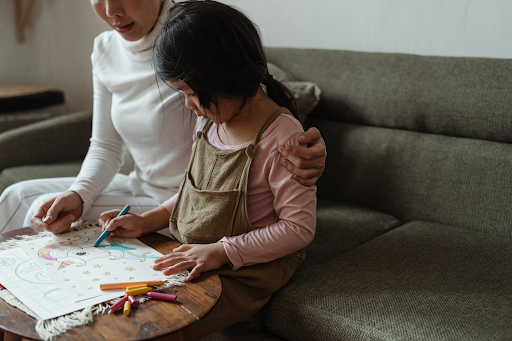
Super Duper Kids provides a wide range of resources, guides, and materials specifically designed for parents. These resources offer valuable information, tips, and strategies to support their child’s development and learning. Parents can access articles, videos, and interactive tools that address various aspects of parenting, education, and child development.
The Benefits of Bilingual Education Policy
From improving communication skills to enhancing cognitive abilities, the bilingual education policy significantly impacts students’ personal and professional development.
1. Improves Communication Skills
A bilingual policy means people learn and speak two languages. In Singapore, this helps people communicate better with others from different backgrounds and understand different cultures. This is important because the country has all sorts of nationalities living there. Being bilingual also helps people get jobs in industries like tourism, hospitality, and finance.
2. Enhances Cognitive Abilities
Studies show that learning a second language enhances cognitive abilities, including memory, attention, and problem-solving skills. It can also improve overall academic performance, especially in subjects such as math, science, and languages.
3. Provides a Competitive Edge
In today’s world, it’s helpful to know more than one language because it can give you an advantage. Singapore is a place where many international companies do business, and knowing more than one language can help you stand out when you are looking for a job. It can be especially useful if you want to work in industries like tourism, hospitality, or finance.

Recognizing the importance of multicultural awareness and global perspectives is vital. Super Duper Kids offers content and activities that expose children to diverse cultures, languages, and traditions from around the world.
4. Promotes National Unity
Singapore’s bilingual policy promotes national unity by creating a shared language and culture among its citizens. It also helps bridge the gap between ethnic groups and promotes social cohesion. The bilingual policy contributes to Singapore’s social stability and economic growth by fostering a shared sense of identity and culture.
5. Preserves Cultural Heritage
Singapore’s bilingual policy means students learn two languages in school, not just English. This is important because Singapore has people from different ethnic groups who speak different languages. Learning a second language helps students understand and appreciate different cultures, which is important for accepting everyone’s differences.
Singapore has a rule that students learn two languages – their mother tongue and English. This helps them in many ways. For example, it helps them talk to more people and think better. It also helps them do well in school and later in their jobs. It makes them proud of their own culture and teaches them to respect others too. In general, this policy has been good for Singapore and has helped make it a successful country.
Addressing the Challenges of Bilingual Education in Singapore
Plenty of measures are in place to address the challenges of bilingual education in Singapore’s education system. Here are some examples:
1. Improving teacher training
In Singapore, teachers get special training to become better at speaking and teaching both English and the native language. This training helps make sure that teachers are proficient to give excellent lessons in both languages.
2. Standardizing language teaching
Some people are trying to make sure that all schools teach the native language in the same way. They are doing this by making rules for what to teach, creating things to help teach, and deciding how to see if students are learning well. This helps students learn better and makes it easier for teachers as well.
3. Increasing exposure to mother tongues
People are doing things to help students use their native language outside of school. They’re giving chances to use it in public places and activities that are not part of regular classes. This can help students get better at using their language in real-life situations.
4. Providing additional support
Students who find it difficult to learn two languages are given extra help to keep up with their studies. This extra support includes remedial classes or tutoring.
5. Encouraging parental involvement
Parents are encouraged to be involved in their child’s education and help them learn their native language. There are meetings and events for parents to learn about the importance of being bilingual and how they can help their child.
6. Emphasizing cultural importance
The government of Singapore thinks it’s important to keep and celebrate their culture and language. They want students to feel proud of their language and cultural background. That’s why they have a policy to teach two languages in schools, to help students become bilingual. These efforts help to make sure that Singapore can keep its cultural and linguistic diversity while preparing students for the future.
Final Thoughts
The benefits of a bilingual policy in Singapore’s education system are clear. Bilingualism has cognitive, academic, social, and cultural benefits essential for success in a globalized world. However, there are also challenges and criticisms of the policy that must be addressed.
It is important to have good plans to make sure that students can learn two languages well in Singapore’s schools. This means making sure they get enough help and resources to learn both languages. Plus, appreciating the value of being able to speak more than one. By doing this, Singapore can keep doing a great job in teaching two languages to students.
Super Duper Kids: A Reliable Primary School Program in Singapore
If you want your child to have a great education in Singapore, Super Duper Kids is the name you can trust. We teach kids in both English and native language. Our teachers are really good at teaching languages and making sure kids can speak both well. We help kids who need extra help with language, and use cool technology to make learning even better!
At Super Duper Kids, we recognize and value the diversity of languages in Singapore and promote learning multiple languages. Our program is committed to developing students who are not only bilingual but also culturally aware and empathetic.
Visit our website or contact us right now to learn more about our program. With Super Duper Kids, you can give your children the valuable gift of bilingualism and prepare them for success in the world.
